Civilized communication in the digital environment
Social media is increasingly becoming a familiar part of young people's lives. From comments and messages to the expression of opinions on various issues, every interaction in the digital space reflects, to some extent, an individual's conduct. Consequently, developing appropriate communication skills for the digital environment has become an essential aspect of a student's journey toward self-improvement.
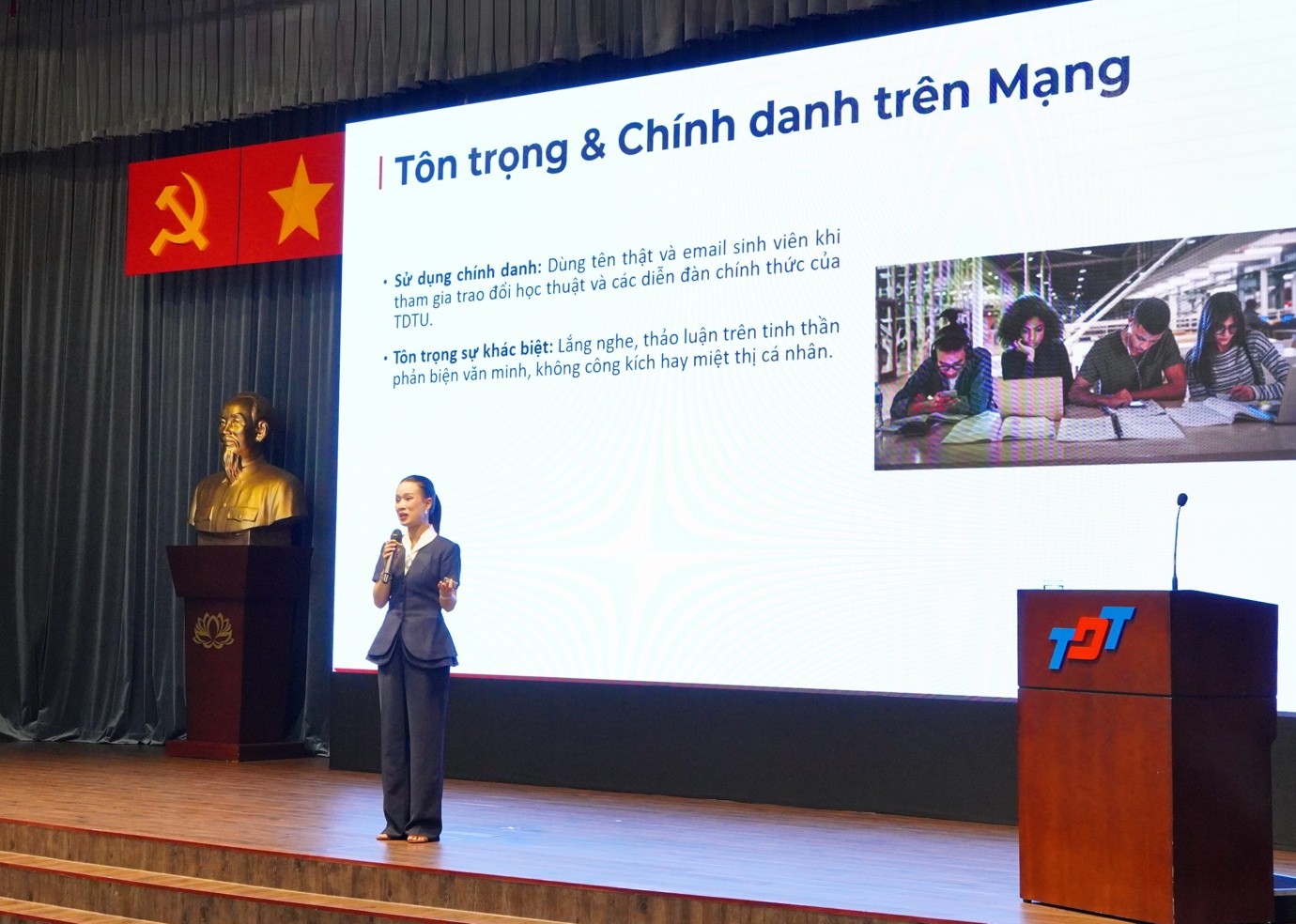
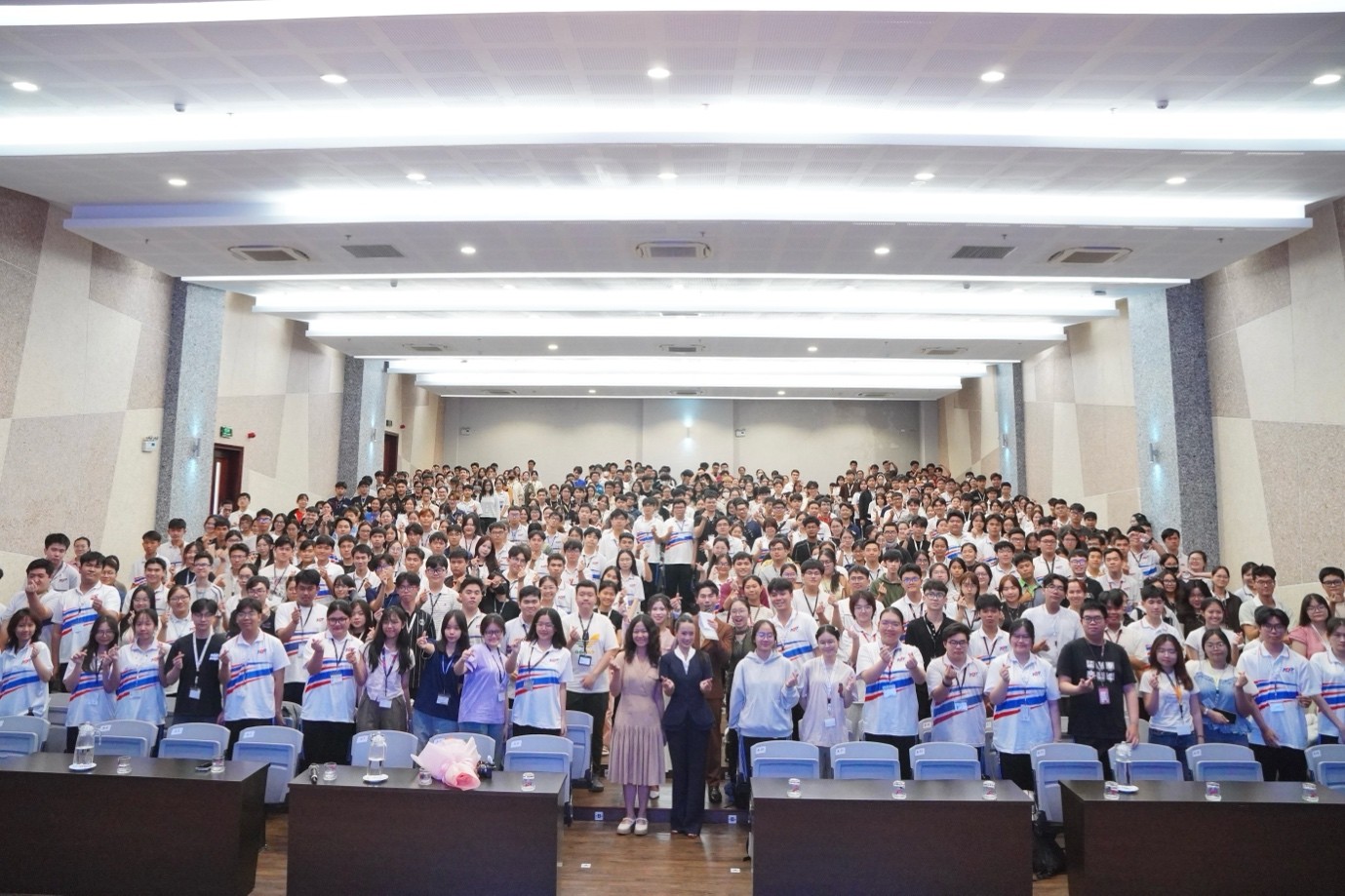
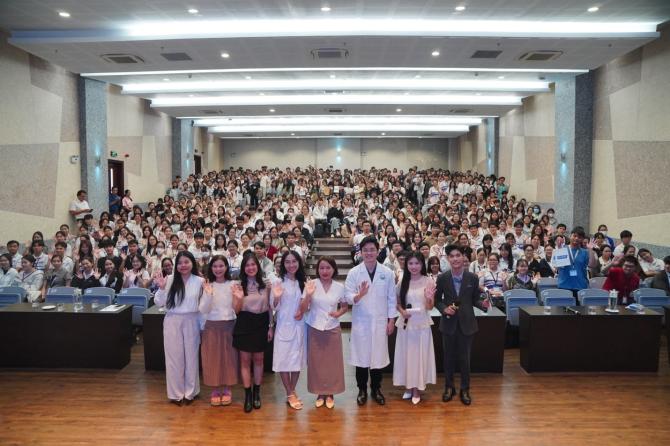
On the morning of September 18, 2026, at Hall 6M, the Department of Student Affairs at Ton Duc Thang University hosted a seminar titled "Civilized Communication and Conduct in the Digital Environment" for students. The session featured insights from MSc. Pham Thi Phuong Thao, an editor and reporter at Ho Chi Minh City Television (HTV).
In today’s world, a single smartphone allows young people to connect with friends, access information, and share their thoughts with a wide audience. While the digital space offers numerous opportunities for communication and learning, it also introduces new expectations regarding how individuals choose their words, process information, and respond to others.
Drawing on relatable, everyday scenarios, the seminar invited students to reflect on common communication patterns on social media. How should a comment be phrased? What is an appropriate way to respond when disagreeing with someone’s viewpoint? How can one express their unique personality while still maintaining respect for others? These seemingly simple questions opened up compelling perspectives on the culture of communication in our digital lives.
Leveraging her extensive experience in journalism and media, MSc. Pham Thi Phuong Thao shared various real-life examples, helping students gain a deeper understanding of the impact of their words and how they express their views on online platforms. Consequently, students were encouraged to develop the habit of careful consideration before posting, commenting, or responding to content on social media.
One of the key topics discussed during the program was the skill of handling various situations. In online communication, the absence of vocal tone, facial expressions, and other direct cues means that a single written statement can sometimes be interpreted in various ways. Consequently, carefully reading the content, identifying the context, and choosing an appropriate response are essential skills for minimizing unnecessary misunderstandings.
Furthermore, the session helps students gain a better awareness of their personal digital footprint. Everything an individual shares, how they interact with others, and how they express their opinions contribute to their personal image. A positive image does not necessarily require grand gestures; it can begin with the way we communicate with others on a daily basis.
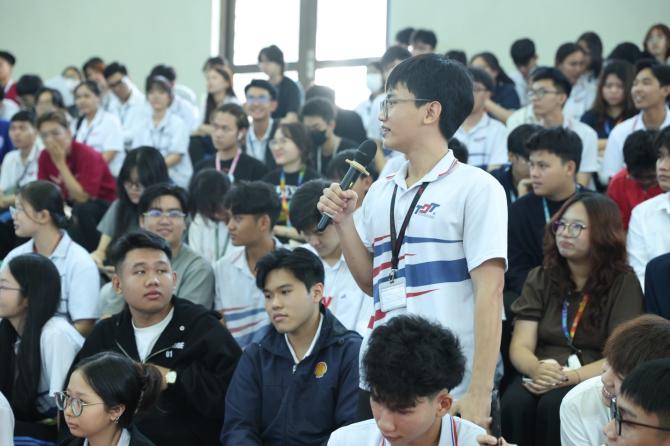
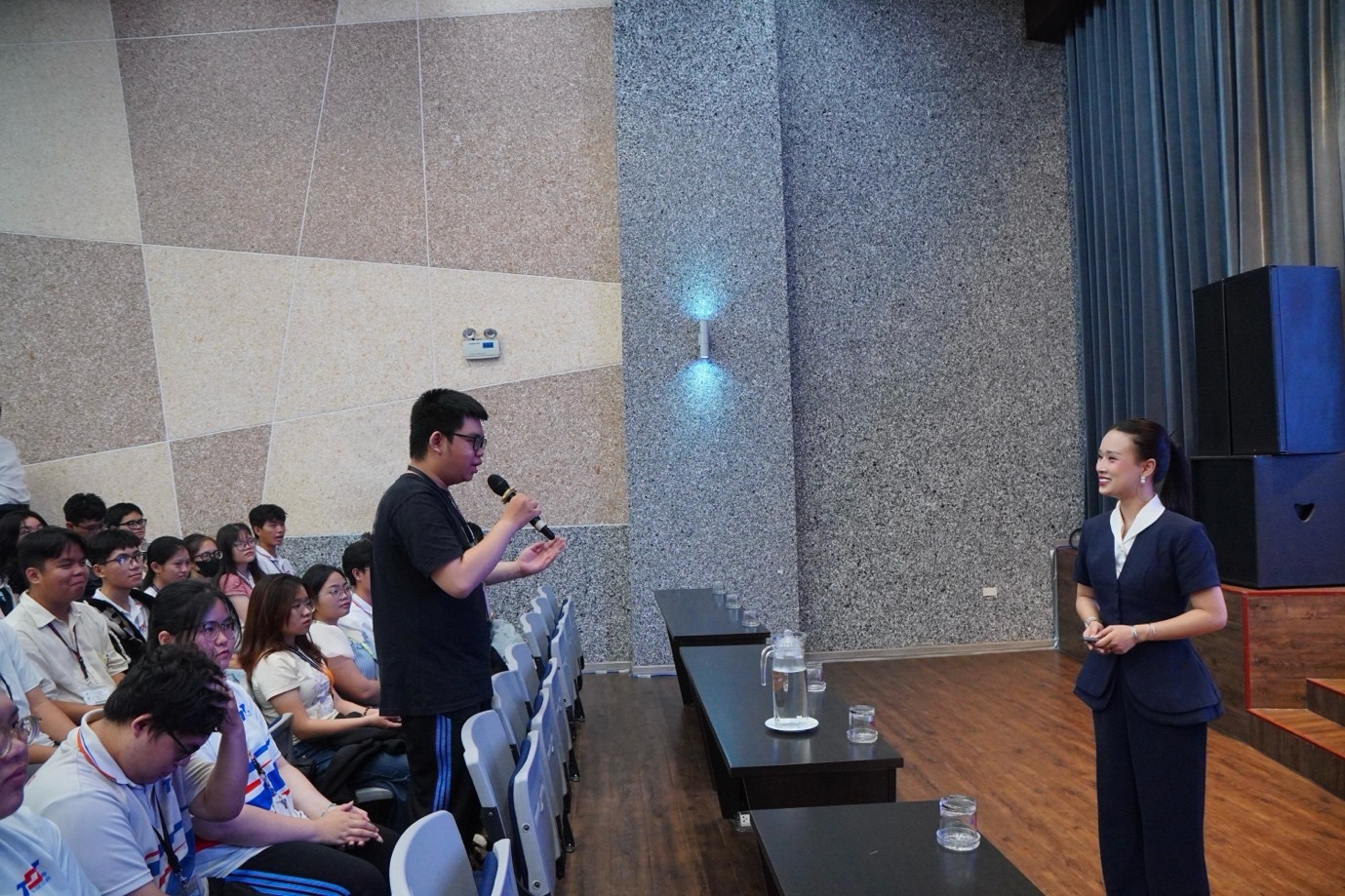
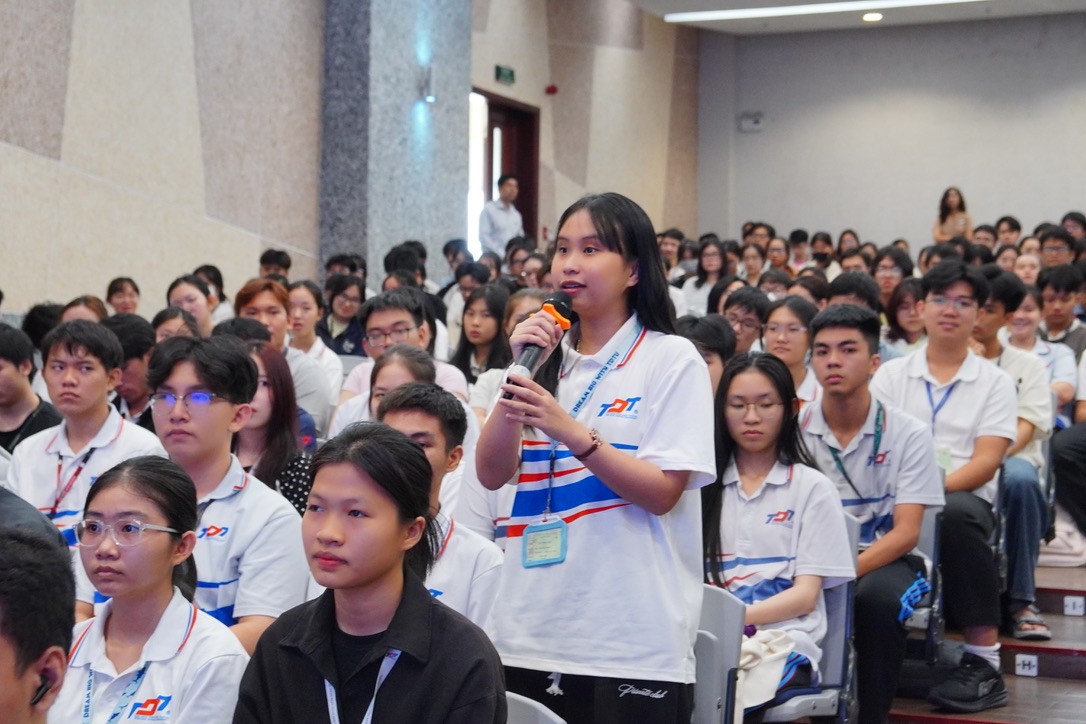
The atmosphere of the program became more informal and engaging during the direct dialogue between the speaker and the students. Discussions centered on academics, daily life, and common scenarios encountered on social media, fostering an open environment for sharing. Students had the opportunity to voice their concerns while also learning about various approaches for handling different situations appropriately.
Insights shared during the seminar highlight that civilized communication in the digital realm begins with simple practices: active listening, respecting differences, using appropriate language, and taking responsibility for what one shares. These are essential skills to cultivate and maintain throughout one’s academic journey, professional career, and personal relationships.
For students, the digital environment serves not only as a space for connection but also as an integral part of their learning, professional development, and self-expression. By engaging with social media in a proactive, selective, and civilized manner, individuals can contribute to fostering a more positive communication environment.
The seminar, “Civilized Communication and Conduct in the Digital Environment,” provided TDTU students with practical knowledge and insights into navigating communication in modern life. Through relatable examples, students were encouraged to reflect on how they speak, listen, and interact online—ensuring that every digital connection becomes an opportunity to spread civility and positivity.